What I Eat and Why
Posted by Mira on December 17, 2025 in stories
Food wasn’t always something I thought deeply about. For a long time, I ate what was convenient, what was familiar, and what was marketed as “healthy.” That changed after my health hit a low point.
Over time, I realized that eating well isn’t about perfection or following trends—it’s about understanding ingredients, sourcing, and making choices you can sustain.
This post isn’t a diet plan. It’s simply how I choose food today, and why.
Contents
- Eggs
- Beef
- Lamb
- Pork
- Chicken
- Seafood
- Milk
- Flour
- Fruits and Vegetables
- Oils and Fats
- Nuts
- Seasonings
- Eating Out
- Conclusion
Eggs
I buy pasture-raised eggs.
The reason is simple: chickens that spend time outdoors get sunlight, which translates into eggs that are naturally higher in nutrients like vitamin D. This matters even more in the winter months when sun exposure is limited.
I still debate between:
- Organic pasture-raised
- Soy-free pasture-raised
Both are good options. If I had to prioritize, pasture-raised is top priority. Everything else is a smaller optimization.
When comparing pasture-raised eggs from different grocery stores, I also pay attention to the hardness of the eggshell. A firmer shell often reflects a hen with good overall nutrition, including adequate calcium intake. Stronger shells tend to be more resilient, offer better natural protection, and are often associated with fresher eggs.
Beef
Beef is a cornerstone of my diet, and I intentionally choose cuts that include both lean meat and fat. These cuts tend to be more satisfying, more flavorful, and more nutrient-dense.
My go-to cuts:
- Ribeye
- Chuck eye (often called the “poor man’s ribeye”)
- Tri-tip
- Flanken-style beef ribs
- Brisket (point cut)
- Brisket burnt ends
- Chuck roast
I often grind my own beef, which gives me full control over quality and fat ratio, and avoids fillers or unnecessary processing.
Grass-fed vs organic beef
Grass-fed beef does contain more omega-3s, but beef is never a primary omega-3 source to begin with. For me, the decision comes down to:
- Taste
- Budget
- Sustainability over the long term
I don’t chase labels—I focus on quality I can maintain.
Lamb
Similar to beef, lamb is a ruminant, which makes it a reliable source of nutrient-dense protein and fat. I choose lamb cuts that include both lean meat and natural fat, aiming for balance rather than ultra-lean options.
Because lamb supply in the U.S. is limited, I often buy lamb from Australia. I spent time in Australia and became familiar with the quality and standards of lamb there, which gives me confidence in the sourcing.
Pork
Pork requires a bit more care, since feed quality has a larger impact on fat composition.
My favorite cuts include:
- Pork belly
- Spare ribs
For ground pork, I buy pork shoulder (butt) and grind it myself.
Bacon
When it comes to bacon, I choose Berkshire pork belly or bacon. Berkshire pigs are a heritage breed known for superior marbling, richer flavor, and tenderness. The quality difference is noticeable, and I’d rather eat better pork less often than cheaper pork more frequently.
Chicken
I don’t buy chicken as often as I buy beef. Most chicken is fed corn and soy, and compared to ruminant meats like beef, chicken is generally less nutrient-dense.
Chicken is also not a ruminant, which means its fat composition is more directly influenced by its feed. As a result, conventionally raised chicken tends to be higher in omega-6 fats.
When my family wants chicken dishes, I choose pasture-raised, air-chilled, organic chicken whenever possible.
In the U.S., most supermarket chicken is water-chilled, meaning it is immersed in cold water—sometimes treated with antimicrobial solutions—before packaging. While this process is approved for food safety, I prefer air-chilled chicken because it avoids excess water absorption and better preserves texture and flavor.
Seafood
I buy wild-caught seafood whenever possible. Compared to farmed fish, wild-caught fish generally have a more favorable omega-3 profile and reflect a more natural diet.
The fish I buy most often include:
- Wild-caught salmon
- Wild-caught cod
- Yellow croaker
- Gold pompano
- Shrimp
I intentionally avoid large predatory fish such as tuna. Bigger fish tend to accumulate more mercury over time, and choosing smaller species helps reduce that exposure while still providing the benefits of seafood.
I also buy seaweed, such as kelp and nori, which I use for soups. This is a simple way to add iodine to my diet, especially since iodine can be harder to obtain consistently from land-based foods alone.
Milk
I buy organic whole milk.
Whole milk keeps the natural fat content intact, which means:
- Better satiety
- Higher fat-soluble vitamins
- Slightly higher omega-3s compared to reduced-fat milk
I’ve considered raw milk, but for now I stick with organic whole milk due to limited availability and higher cost. It’s a balance between ideals and practicality.
One thing I do consistently is make my own Skyr yogurt from this milk. It’s a simple way to get a high-protein, fermented food without added sugars, gums, or unnecessary ingredients.
Flour
I personally don’t eat gluten, but I still buy organic, unbleached all-purpose and bread flour for my family.
This isn’t about restriction—it’s about respecting ingredients. If flour is going to be used, I want it to be the best version reasonably available.
Fruits and Vegetables
I buy organic fruits and vegetables whenever possible. Some items matter more than others, but overall the goal is consistency, not perfection. Eating real produce regularly matters far more than chasing an ideal label.
Oils and Fats
Most of the fats I use come from animals or traditional sources.
My primary fats:
- Organic grass-fed butter
- Beef tallow, rendered from beef fat
- Lard, saved from bacon grease
I don’t use refined seed oils. The only plant-based oils I use occasionally are:
- Cold-pressed olive oil
- Avocado oil for oiling pans
- Coconut oil for baking
This approach keeps my cooking fats stable at high heat and minimizes unnecessary processing.
Nuts
I buy raw nuts, including almonds, walnuts, and pecans.
Because nuts are primarily a source of fat, I pay attention to their omega-3 to omega-6 balance and try to favor options with a better ratio.
Among common nuts:
- Walnuts have the highest omega-3 content
- Almonds fall somewhere in the middle
- Pecans are much higher in omega-6 and have the lowest omega-3 content
For this reason, I eat walnuts more regularly and treat other nuts as occasional foods rather than staples.
I also make my own peanut butter from raw peanuts. Since peanuts are high in omega-6, I keep portions small and intentional—no more than one tablespoon per day.
Seasonings
One of the easiest upgrades I made was switching to single-ingredient seasonings and making my own blends.
I make things like:
- Homemade ketchup
- Memphis-style dry rubs
This removes:
- Hidden sugars
- Seed oils
- Preservatives
- Anti-caking agents
Eating Out
I cook at home most of the time. When I do eat out, I’m very selective.
I tend to choose places where meat is the main ingredient and complexity is minimal, such as:
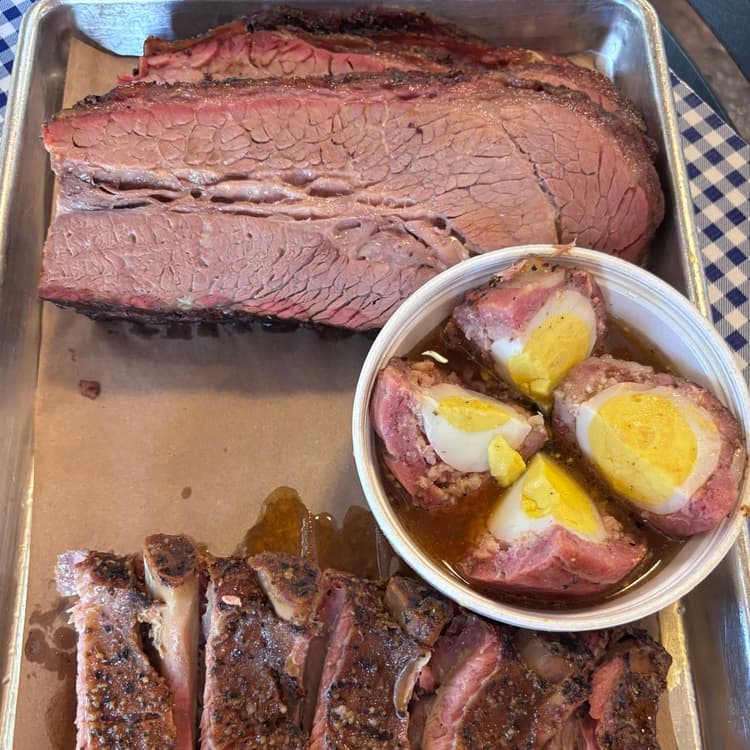
- Texas BBQ
- Chinese hotpot, etc
In these settings, there’s usually less guesswork—fewer sauces, fewer hidden oils, and fewer ingredients overall.
I also enjoy high-end restaurants with a strong reputation for craft and quality, such as Michelin-starred restaurants. At these places, there’s a clear respect for ingredients, technique, and sourcing. I trust that the food is intentional, not just assembled.
My husband often jokes that I’m picky, because my choices seem extreme: either Texas BBQ or Michelin-starred restaurants. But to me, it’s not about being picky—it’s about simplicity and trust.
If I have to eat at other restaurants, I’ll often:
- Eat beforehand, or
- Bring my own food from home
That choice feels easier than trying to navigate menus filled with ingredients I no longer enjoy or crave.
Over time, something shifted. I don’t miss most restaurant food anymore. Once my diet became simpler and more ingredient-focused, the desire for highly processed or heavily seasoned dishes just faded.
For me, this isn’t restriction—it’s clarity. Eating this way makes decisions easier, not harder.
Conclusion
This way of eating may seem restrictive from the outside, but in reality it has made my life much simpler. With fewer choices to consider, decisions become easier. When I go to the grocery store, I mostly shop the outer aisles—where fresh foods like meat, dairy, fruits, and vegetables are found—while the inner aisles, filled with processed foods, rarely need my attention.